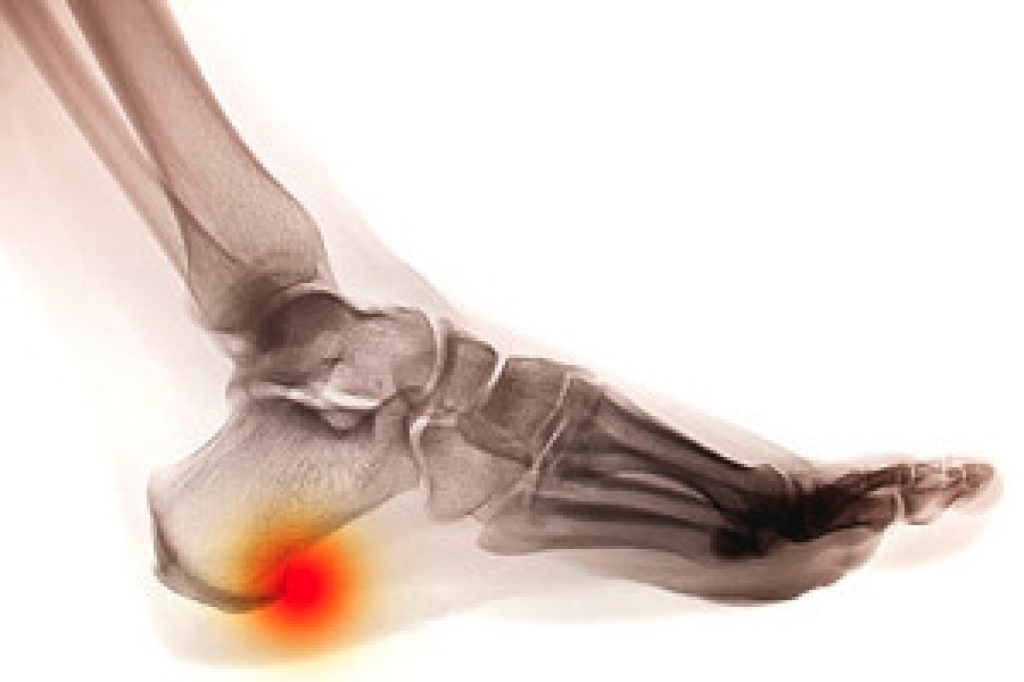
Understanding High Arches and Foot Pain

A high arch is a condition where the arch of the foot is raised more than normal, placing excessive pressure on certain areas. This imbalance can lead to foot pain, because stress is concentrated on the section between the ankle and toes that affects stability and shock absorption. High arches may be caused by inherited bone structure or underlying nerve conditions that alter muscle function. Individuals often experience difficulty finding comfortable, supportive shoes. Other risk factors include family history, neurological disorders, and improper footwear. A podiatrist can evaluate foot structure, recommend custom orthotics, and provide guidance on proper footwear. If you have high arches that are causing discomfort, it is suggested that you consult a podiatrist who can provide effective relief and management tips.

Foot Pain

Foot pain can be extremely painful and debilitating. If you have a foot pain, consult with David Carmack, DPM from Texas. Our doctor will assess your condition and provide you with quality foot and ankle treatment.

Causes

Foot pain is a very broad condition that could be caused by one or more ailments. The most common include:

  • Bunions
  • Hammertoes
  • Plantar Fasciitis
  • Bone Spurs
  • Corns
  • Tarsal Tunnel Syndrome
  • Ingrown Toenails
  • Arthritis (such as Gout, Rheumatoid, and Osteoarthritis)
  • Flat Feet
  • Injury (from stress fractures, broken toe, foot, ankle, Achilles tendon ruptures, and sprains)
  • And more

Diagnosis

To figure out the cause of foot pain, podiatrists utilize several different methods. This can range from simple visual inspections and sensation tests to X-rays and MRI scans. Prior medical history, family medical history, and any recent physical traumatic events will all be taken into consideration for a proper diagnosis.

Treatment

Treatment depends upon the cause of the foot pain. Whether it is resting, staying off the foot, or having surgery; podiatrists have a number of treatment options available for foot pain.

If you have any questions, please feel free to contact our office located in Marble Falls, TX . We offer the newest diagnostic and treatment technologies for all your foot care needs.


Read more about Foot Pain

What Leads to Cuboid Syndrome?

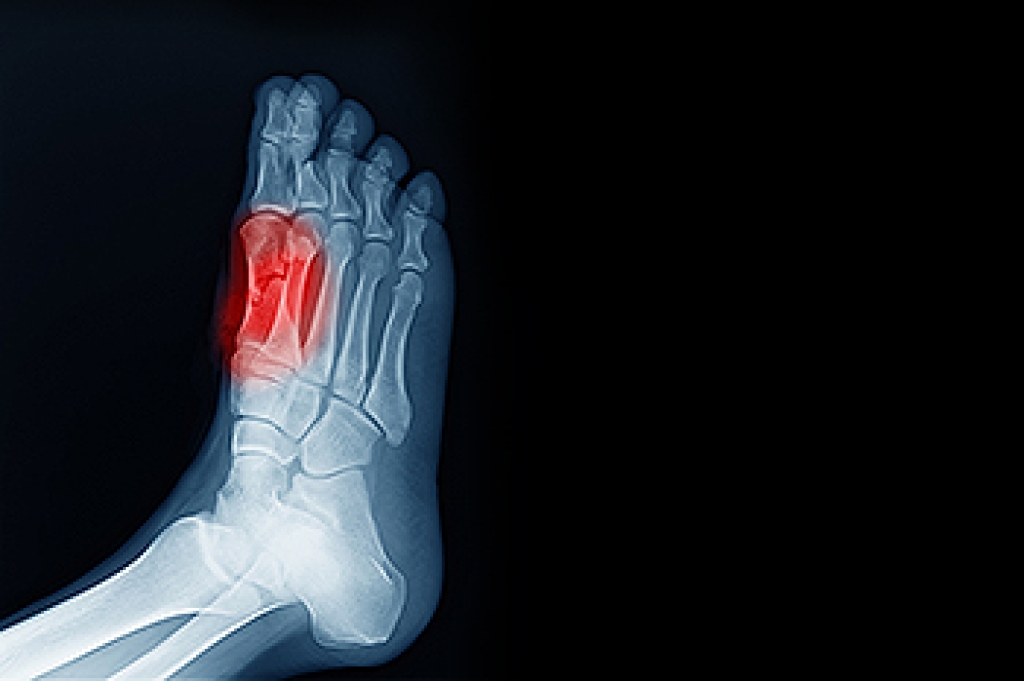
Cuboid syndrome occurs when the cuboid bone becomes slightly displaced, often causing pain along the outer side of the foot. It can develop suddenly after an ankle sprain or gradually from repeated strain during activities such as running or jumping. This condition may create a feeling of weakness, soreness, or difficulty bearing weight, especially during push-off while walking. Risk factors include overuse, poor foot mechanics, inadequate footwear, and high impact sports. People with flat feet or unstable ankles may be more prone to this injury. A podiatrist can diagnose the problem through a careful exam, restore proper alignment, and provide treatments that improve function and relieve discomfort.  If you have symptoms of cuboid syndrome, it is suggested that you consult a podiatrist who can accurately diagnose and treat foot pain.

Cuboid syndrome, also known as cuboid subluxation, occurs when the joints and ligaments near the cuboid bone in the foot become torn. If you have cuboid syndrome, consult with David Carmack, DPM from Texas. Our doctor will assess your condition and provide you with quality foot and ankle treatment.

Cuboid syndrome is a common cause of lateral foot pain, which is pain on the outside of the foot. The condition may happen suddenly due to an ankle sprain, or it may develop slowly overtime from repetitive tension through the bone and surrounding structures.

Causes

The most common causes of cuboid syndrome include:

  • Injury – The most common cause of this ailment is an ankle sprain.
  • Repetitive Strain – Tension placed through the peroneus longus muscle from repetitive activities such as jumping and running may cause excessive traction on the bone causing it to sublux.
  • Altered Foot Biomechanics – Most people suffering from cuboid subluxation have flat feet.

Symptoms

A common symptom of cuboid syndrome is pain along the outside of the foot which can be felt in the ankle and toes. This pain may create walking difficulties and may cause those with the condition to walk with a limp.

Diagnosis

Diagnosis of cuboid syndrome is often difficult, and it is often misdiagnosed. X-rays, MRIs and CT scans often fail to properly show the cuboid subluxation. Although there isn’t a specific test used to diagnose cuboid syndrome, your podiatrist will usually check if pain is felt while pressing firmly on the cuboid bone of your foot.

Treatment

Just as the range of causes varies widely, so do treatments. Some more common treatments are ice therapy, rest, exercise, taping, and orthotics.

If you have any questions, please feel free to contact our office located in Marble Falls, TX . We offer the newest diagnostic and treatment technologies for all your foot care needs.
Read more about All About Cuboid Syndrome

Gout Pain Can Be Managed

Gout is a painful, inflammatory form of arthritis. Those affected will typically feel an intense stiffness in the joints of their feet, particularly in the big toe. Schedule a visit to learn about how gout can be managed and treated.

Ankle Movement and Injury Risk

The biomechanics of the ankle involve a complex system of bones, ligaments, and tendons, that allow the foot to move smoothly when walking, running, and standing. The ankle and foot work together to provide balance, absorb shock, and adapt to different surfaces. When this motion becomes uneven or strained, it can lead to sprains, tendon irritation, or joint instability. Poor alignment, overuse, or sudden changes in activity can disrupt normal movement patterns. People may notice pain, swelling, or a feeling of weakness when the ankle is not functioning properly. A podiatrist can evaluate gait, assess joint motion, and identify areas of imbalance that may be contributing to injury. Treatment may include supportive devices or targeted care to restore proper function. If you have ankle pain, it is suggested that you consult a podiatrist who can offer effective relief options.

If you have any concerns about your feet, contact David Carmack, DPM from Texas. Our doctor can provide the care you need to keep you pain-free and on your feet.

Biomechanics in Podiatry

Podiatric biomechanics is a particular sector of specialty podiatry with licensed practitioners who are trained to diagnose and treat conditions affecting the foot, ankle and lower leg. Biomechanics deals with the forces that act against the body, causing an interference with the biological structures. It focuses on the movement of the ankle, the foot and the forces that interact with them.

A History of Biomechanics

  • Biomechanics dates back to the BC era in Egypt where evidence of professional foot care has been recorded.
  • In 1974, biomechanics gained a higher profile from the studies of Merton Root, who claimed that by changing or controlling the forces between the ankle and the foot, corrections or conditions could be implemented to gain strength and coordination in the area.

Modern technological improvements are based on past theories and therapeutic processes that provide a better understanding of podiatric concepts for biomechanics. Computers can provide accurate information about the forces and patterns of the feet and lower legs.

Understanding biomechanics of the feet can help improve and eliminate pain, stopping further stress to the foot.

If you have any questions please feel free to contact our office located in Marble Falls, TX . We offer the newest diagnostic and treatment technologies for all your foot and ankle needs.

Read more about Biomechanics in Podiatry

Blisters and Skin Irritation From Athlete’s Foot

Athlete’s foot is a fungal infection that affects the skin on the feet. It may lead to itching, peeling, redness, and painful blisters. The infection often develops between the toes or along the sole of the foot where moisture becomes trapped. In some cases, fluid-filled blisters can form and cause burning, tenderness, or cracking of the skin that becomes uncomfortable while walking or wearing shoes. The affected skin may appear flaky, scaly, or white from excess moisture. Scratching can increase irritation or lead to secondary infection. Athlete’s foot spreads easily in warm, damp environments like locker rooms, swimming pools, and shared showers. Wearing sweaty socks or tight shoes for long periods of time may also increase the risk of infection. A podiatrist can diagnose the condition, determine the severity of the fungal infection, and recommend the most appropriate treatment. Care may include antifungal medication, drying treatments, and methods  to prevent the infection from returning. If you have athlete’s foot symptoms, it is suggested that you schedule an appointment with a podiatrist for effective treatment solutions.

Athlete’s Foot

Athlete’s foot is often an uncomfortable condition to experience. Thankfully, podiatrists specialize in treating athlete’s foot and offer the best treatment options. If you have any questions about athlete’s foot, consult with David Carmack, DPM from Texas. Our doctor will assess your condition and provide you with quality treatment.

What Is Athlete’s Foot?

Tinea pedis, more commonly known as athlete’s foot, is a non-serious and common fungal infection of the foot. Athlete’s foot is contagious and can be contracted by touching someone who has it or infected surfaces. The most common places contaminated by it are public showers, locker rooms, and swimming pools. Once contracted, it grows on feet that are left inside moist, dark, and warm shoes and socks.

Prevention

The most effective ways to prevent athlete’s foot include:

  • Thoroughly washing and drying feet
  • Avoid going barefoot in locker rooms and public showers
  • Using shower shoes in public showers
  • Wearing socks that allow the feet to breathe
  • Changing socks and shoes frequently if you sweat a lot

Symptoms

Athlete’s foot initially occurs as a rash between the toes. However, if left undiagnosed, it can spread to the sides and bottom of the feet, toenails, and if touched by hand, the hands themselves. Symptoms include:

  • Redness
  • Burning
  • Itching
  • Scaly and peeling skin

Diagnosis and Treatment

Diagnosis is quick and easy. Skin samples will be taken and either viewed under a microscope or sent to a lab for testing. Sometimes, a podiatrist can diagnose it based on simply looking at it. Once confirmed, treatment options include oral and topical antifungal medications.

If you have any questions, please feel free to contact our office located in Marble Falls, TX . We offer the newest diagnostic and treatment technologies for all your foot care needs.

Read more about Athlete's Foot

Connect With Us